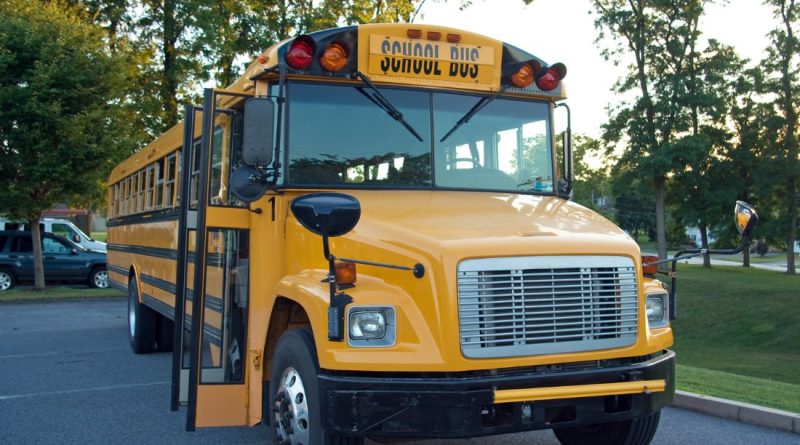
Unlock Your Career with School Bus Driver Training Near Me
If you’re looking for a rewarding career that serves your community, school bus driver training near me might be the perfect choice. School bus drivers play a crucial role in ensuring that children arrive at school safely and on time, and with the right training, you can embark on a fulfilling career that offers stability and the chance to positively impact students’ lives. In this guide, we’ll cover key aspects of school bus driver training, including personal experiences, expert opinions, what to expect from local programs, the skills you’ll gain, and how to navigate the licensing process effectively.
Understanding the Importance of School Bus Driver Training Near Me
The Role of School Bus Drivers
School bus drivers do more than just drive; they ensure the safety and well-being of students during their commute. According to a veteran school bus driver from Springfield, “It’s not just about getting kids from point A to point B; it’s about ensuring they feel safe and secure. Every day, I see the impact of my role in their lives.”
Why School Bus Driver Training Classes Near Me Matter
School bus driver training classes near me are essential for several reasons:
| Reason | Description |
| Safety | Drivers learn to navigate traffic and handle emergencies, ensuring passenger safety. |
| Legal Compliance | Training helps drivers understand legal requirements specific to school zones. |
| Skill Development | Practical driving experience helps aspiring drivers build essential skills. |
Participating in a structured training program enhances your abilities and confidence, preparing you for job challenges.
What to Expect from Local School Bus Driver Training Program Near Me
Structure of Training Programs
When searching for a school bus driver training program near me, you’ll find that most programs include both theoretical and practical components. Typically, the training consists of:
- Classroom Instruction: You’ll learn about traffic laws, safety regulations, and student management techniques, along with the different types of buses and their operations.
- Behind-the-Wheel Training: Gain hands-on experience under an experienced instructor’s guidance, practicing driving in various conditions.
Duration of Training
Training programs can vary in length, generally ranging from a few weeks to several months. Many programs offer flexible schedules to accommodate working individuals.
Certification and Testing
After completing your training, you will likely need to pass a certification exam to obtain your school bus driver’s license. This typically includes both written and practical driving tests. Your training program will prepare you for these assessments, ensuring you understand the material and can demonstrate your driving skills.
Key Skills Developed in School Bus Driver Training
Driving Skills
A primary focus of school bus driver training is developing strong driving skills. This includes:
- Defensive Driving: Learn to anticipate hazards and react appropriately to keep students safe.
- Vehicle Control: Master the operation of a large vehicle, including turning, backing up, and stopping safely.
Communication Skills
Effective communication is vital for school bus drivers. Training programs often emphasize:
- Interaction with Students: Establish clear rules and expectations for behavior on the bus.
- Collaboration with Schools: Coordinate with school officials and parents to ensure smooth transportation.
Problem-Solving Abilities
School bus drivers encounter unexpected situations. Training develops:
- Crisis Management: Learn to handle emergencies, such as medical issues or disruptive behavior.
- Decision-Making: Training fosters quick thinking and effective decision-making for student safety.
Finding the Right School Bus Driver Training Near You
Researching Training Programs
To find the best school bus driver training classes near me, start by researching local options. Here are some tips:
- Online Searches: Use search engines to find training programs in your area. Include keywords like “school bus driver training near me” for better results.
- Local Schools and Transit Authorities: Many school districts and transit authorities offer training programs or can recommend reputable ones. For example, the City Transit Authority has a well-regarded training program in your area.
- Community Colleges and Vocational Schools: These institutions often provide driver training programs tailored to aspiring school bus drivers.
Visiting Training Facilities
If possible, visit the training facilities to get a feel for the environment and available resources. You can also ask instructors any questions about the program.
Cost and Financial Aid Options for Training Programs
Understanding Training Costs
The cost of school bus driver training programs varies based on location, duration, and institution. On average, training can range from a few hundred to several thousand dollars. Consider all associated costs, including:
- Tuition fees
- Materials and textbooks
- Licensing fees
Exploring Financial Aid Options
If costs are a concern, explore available financial aid options:
- Government Grants and Scholarships: Some programs may qualify for federal or state funding. Research local grants that support vocational training.
- Payment Plans: Many training programs offer flexible payment plans, allowing you to spread the cost over several months.
Employer Sponsorship
Some school districts or transportation companies may provide financial assistance or sponsorship for training in exchange for a commitment to work for them for a specific period. Inquire about these opportunities while researching training programs.
Navigating the Licensing Process After Training
Obtaining Your Commercial Driver’s License (CDL)
After completing your training, you’ll need to obtain a Commercial Driver’s License (CDL) with a passenger endorsement. The steps generally include:
- Passing the Written Test: This test assesses your knowledge of traffic laws, safety regulations, and bus operations.
- Completing a Skills Test: Demonstrate your driving abilities, including pre-trip inspections, basic control skills, and on-road driving.
Meeting State Requirements
Each state has its own requirements for obtaining a CDL. Check with your local Department of Motor Vehicles (DMV) or equivalent agency to ensure you meet all necessary criteria, including age and medical requirements.
Additional Certifications
Depending on your location and school district’s needs, you may need additional certifications, such as first aid or CPR training. These can enhance your qualifications and make you a more attractive candidate for employment.
Addressing Potential Obstacles
While the path to becoming a school bus driver is rewarding, it can also present challenges. For example, some individuals may struggle with the written tests or behind-the-wheel assessments. To overcome these hurdles, consider joining study groups or seeking out additional practice sessions with instructors. Many training programs offer extra help for those who need it.
Career Opportunities Beyond Driving:
| Career Advancement Opportunities | Description |
| Trainer or Instructor | Experienced drivers can train new recruits, sharing essential knowledge and skills gained from their own experiences. |
| Transportation Coordinator | Manage transportation logistics, ensuring routes are efficient and comply with safety regulations. |
| Public Transit Driver | Transition to driving city buses or other public transport, utilizing similar skills in a different setting. |
| Logistics and Delivery | Use driving expertise in the logistics sector, focusing on safe transport of goods. |
| Continuing Education | Pursue additional certifications or degrees in transportation management or logistics to enhance career prospects. |
What’s Next?
Advancing Your Career
Many individuals start as school bus drivers but can pursue various advancement opportunities within the field. Some potential paths include:
- Trainer or Instructor: With experience, become a trainer for new drivers, sharing your knowledge and skills.
- Transportation Coordinator: Oversee transportation logistics for schools, ensuring efficient and safe routes.
Exploring Related Fields
Your training and experience as a school bus driver can open doors to related fields, such as:
- Public Transit Driver: Transition to driving city buses or other public transportation vehicles.
- Logistics and Delivery: Utilize your driving skills in the logistics industry, where safe driving is crucial.
Continuing Education
Consider pursuing further education or certifications to enhance your skills and qualifications. Many community colleges offer programs in transportation management, logistics, or related fields, helping you move into higher-level positions.
Becoming a school bus driver can be incredibly rewarding, providing the chance to impact students’ lives and serve your community. By investing in school bus driver training near me, you can gain the skills and knowledge needed for success in this vital role. Research your options, explore financial aid, and stay informed about the licensing process to ensure a smooth transition into this fulfilling career. Whether you remain a driver or pursue advanced opportunities, your journey starts with the right training. Take the first step today and unlock a stable and impactful career in school transportation.