Innovations in Rubber Compound: Trends and Future Directions
The rubber compound industry has achieved notable advancements, especially in the development of innovative rubber compounds. As technology and consumer demands shift, the compound of rubber is refined to boost performance, sustainability, and versatility across various applications. This article explores the composition and properties of rubber compounds, current innovations, sustainability trends, applications, and future directions in this dynamic field.
Understanding Rubber Compound: Composition and Properties
What Is a Rubber Compound?
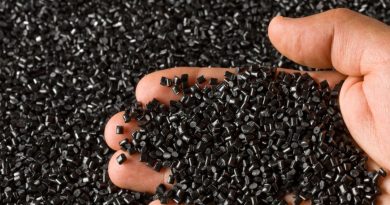
A rubber compound combines natural or synthetic rubber with additives that enhance its performance. Additives can include fillers, plasticizers, antioxidants, curing agents, and colorants. The main aim of formulating a rubber compound is to achieve specific characteristics, such as flexibility, strength, durability, and resistance to environmental factors.
Key Components of Compound Rubber
Base Polymer: The main ingredient in any compound rubber, the base polymer can be natural rubber (NR) or synthetic rubber (such as SBR, EPDM, or NBR). Each type offers distinct properties suitable for various applications.
Fillers: Additives like carbon black and silica improve strength, durability, and cost-effectiveness while influencing elasticity and hardness.
Plasticizers: These additives enhance the workability of the rubber compound, improving flexibility and processing ease. Common plasticizers include oils and resins.
Curing Agents: Also known as vulcanizing agents, these substances are crucial for cross-linking rubber molecules, enhancing heat resistance and overall stability.
Antioxidants and Stabilizers: These protect rubber from degradation caused by heat, light, and oxygen, thereby extending its lifespan.
Properties of Rubber Compounds
Rubber compounds can be tailored to meet specific needs. Key characteristics include:
- Elasticity: The ability to return to its original shape after deformation.
- Mechanical Strength: Resistance to stretching and tearing.
- Thermal Stability: Performance at varying temperatures.
- Chemical Resistance: Ability to withstand exposure to oils, fuels, and other chemicals.
- Weather Resistance: Durability against UV radiation and environmental conditions.
Current Innovations in Rubber Compound Technology
Advancements in Formulation
The formulation of rubber compounds has seen innovations aimed at enhancing performance and sustainability. Researchers are exploring bio-based polymers and fillers from renewable resources. These developments improve the environmental footprint of rubber products and reduce dependence on petroleum-based materials.
Smart Rubber Compounds
A significant trend in rubber technology is the creation of smart rubber compounds. These materials change properties in response to external stimuli, such as temperature, pressure, or electrical fields. This innovation opens new possibilities in industries like automotive and healthcare, where adaptive materials can improve product functionality.
Additive Technologies
New additive technologies are also transforming rubber compounds. For example, nanotechnology enhances mechanical properties. By incorporating nanoparticles, manufacturers create compounds with superior strength, flexibility, and resistance to wear.
Digitalization and Automation
The rubber industry is increasingly adopting digital tools and automation in manufacturing. Advanced data analytics, machine learning, and process automation optimize production efficiency and quality control. This shift reduces waste and allows for precise formulation adjustments, leading to better product consistency.
Sustainability Trends in Rubber Compound Production
Eco-Friendly Materials
In light of environmental concerns, many manufacturers are exploring eco-friendly alternatives in rubber compound production. This includes using renewable resources, such as natural rubber from sustainable plantations, and incorporating recycled materials into formulations. Using reclaimed rubber significantly reduces the carbon footprint associated with production.
Waste Reduction Strategies
Sustainability extends beyond materials; it includes the entire production process. Companies are implementing waste reduction strategies, such as closed-loop systems that recycle scrap rubber back into production. This minimizes waste and conserves raw materials, contributing to a more sustainable manufacturing cycle.
Certification and Standards
Various organizations are establishing certification standards for rubber products to promote sustainability. These certifications help consumers identify environmentally friendly options and encourage manufacturers to adopt sustainable practices. For example, certifications like the Forest Stewardship Council (FSC) ensure that natural rubber used in compounds is sourced sustainably.
| Innovation Type | Description | Applications | Benefits |
| Advancements in Formulation | Development of bio-based polymers and fillers | Automotive, Consumer Goods | Reduced environmental footprint, enhanced performance |
| Smart Rubber Compounds | Materials that adapt to external stimuli | Automotive, Healthcare | Improved functionality and adaptability |
| Additive Technologies | Use of nanotechnology to enhance mechanical properties | Industrial Applications | Superior strength and flexibility |
| Digitalization and Automation | Implementation of machine learning and process automation | All sectors | Increased efficiency and consistency |
| Eco-Friendly Materials | Use of renewable resources and recycled materials | Automotive, Consumer Goods, Industrial Applications | Lower carbon footprint, sustainability |
| Advanced Recycling Techniques | Innovations in devulcanization processes | Industrial Applications | Circular economy, reduced landfill waste |
| 3D Printing of Rubber Compounds | Customization and rapid prototyping | Consumer Goods, Industrial Applications | Reduced waste, tailored solutions |
| Enhanced Performance through Machine Learning | Optimizing formulations using AI | All sectors | Improved product quality, reduced development time |
Applications of Advanced Rubber Compounds Across Industries
Automotive Industry
Rubber compounds are crucial in the automotive sector, used in tires, seals, gaskets, and suspension components. Advanced rubber compounds have led to the creation of tires with improved fuel efficiency, better grip, and longer lifespan. Innovations in noise-reducing compounds also enhance passenger comfort.
Healthcare Sector
In healthcare, rubber compounds are vital in manufacturing medical devices, gloves, and seals. The demand for biocompatible and sterilizable rubber compounds has surged, leading to innovations that ensure safety and effectiveness. For instance, silicone rubber compounds are increasingly used due to their hypoallergenic properties and resistance to bacteria.
Consumer Goods
The consumer goods industry uses rubber compounds in various products, including footwear, household items, and sporting goods. Innovations in design and material properties have resulted in lightweight, durable, and attractive products that meet consumer preferences for quality and sustainability.
Industrial Applications
In industrial settings, rubber compounds are essential for manufacturing conveyor belts, hoses, and seals. The demand for high-performance rubber compounds that can withstand harsh environments drives innovation, leading to compounds with enhanced chemical and abrasion resistance.
Future Directions: Emerging Technologies in Rubber Compounds
Bio-Based Rubber Compounds
The future of rubber compounds lies in developing bio-based alternatives that reduce reliance on fossil fuels. Research is ongoing to create synthetic rubber from renewable resources, such as plant oils and biomass. These bio-based rubber compounds could match the performance of traditional rubbers while significantly lowering their environmental impact.
3D Printing of Rubber Compounds
3D printing technology is entering the rubber industry, enabling the production of complex shapes and customized products. This innovation allows for rapid prototyping and reduces waste associated with traditional manufacturing processes. As 3D printing materials evolve, we can expect a wider range of rubber compounds tailored for specific applications.
Advanced Recycling Techniques
As sustainability becomes a priority, advanced recycling techniques are being developed to reclaim and repurpose rubber waste. Innovations like devulcanization processes can break down vulcanized rubber, allowing it to be reprocessed into new rubber compounds. This reduces landfill waste and creates a circular economy within the rubber industry.
Enhanced Performance through Machine Learning
Machine learning and AI are set to revolutionize rubber compound formulation. By analyzing data from previous formulations, these technologies can predict the performance of new compounds more accurately. This capability enables manufacturers to optimize formulations quickly, leading to improved product quality and reduced development time.
Challenges and Opportunities in the Rubber Compound Market
Market Volatility
The rubber industry faces challenges related to market volatility, especially regarding raw material pricing. Fluctuations in natural rubber costs due to environmental factors or geopolitical issues can impact profitability. Companies must adapt by diversifying supply chains and exploring alternative materials.
Regulatory Compliance
As environmental regulations tighten, rubber manufacturers must navigate complex compliance requirements. This can challenge smaller companies but also presents opportunities for innovation in sustainable practices as firms seek to meet and exceed regulatory standards.
Competition and Innovation
The rubber compound market is highly competitive, with various players vying for market share. Companies investing in research and development to create innovative products are likely to gain a competitive edge. Emphasizing sustainability and performance can attract environmentally conscious consumers and industries.
Global Market Trends
The rubber compound market is influenced by global trends, such as the rise of electric vehicles and advancements in green technologies. As these trends evolve, they will shape the demand for specific rubber compounds, presenting opportunities for manufacturers to develop specialized products that meet emerging needs.
The field of rubber compounds undergoes a transformation driven by innovation, sustainability, and technological advancements. Understanding the composition and properties of rubber compounds is essential for leveraging their potential across various industries. Looking ahead, emerging technologies and market trends will shape the evolution of rubber compounds, presenting both challenges and opportunities for manufacturers. By embracing these trends, the rubber industry can continue to thrive while contributing to a more sustainable future.
In summary, innovations in rubber compound technology enhance product performance and pave the way for a more sustainable and efficient industry. With a keen focus on research and development, the future holds promising potential for advanced rubber compounds that cater to the evolving needs of the global market.