How Bulk Stainless Steel Wire Reduces Supply Risk
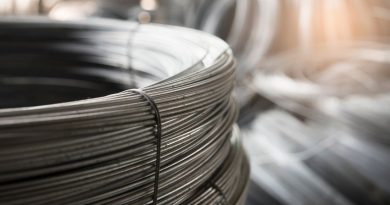
Sourcing bulk stainless steel wire in large volumes provides manufacturing plants and OEM fabricators with a dependable buffer against supply chain volatility. Fluctuating material availability and sudden price spikes can halt assembly lines and strain operating margins without warning. Incorporating bulk procurement strategies into your material purchasing plan ensures consistent supply, precise dimensional tolerances, and predictable raw material expenditures across all production runs.
Why Bulk Stainless Steel Wire Cuts Supply Risk and Protects Margins
Procuring bulk stainless steel wire eliminates the operational vulnerability associated with small, reactive material orders. High-volume manufacturing environments depend heavily on uninterrupted material availability to maintain automated machinery throughput. When facilities maintain sufficient raw inventory, they eliminate lead-time bottlenecks caused by overseas shipping delays, port congestion, or domestic mill backlogs.
In addition to securing operational continuity, purchasing large wire coils or spools stabilizes unit economics. Mills and primary suppliers offer tiered pricing models for high-tonnage orders, lowering the landed cost per pound or kilogram. This reduction in bill-of-materials cost directly improves gross profit margins across high-volume assembly and wire-forming projects.
Mitigating Price Volatility in Stainless Alloys
Nickel, chromium, and molybdenum market prices fluctuate continuously based on global demand and trade policy shifts. Securing long-term blanket purchase orders for bulk wire locks in alloy surcharges and base pricing over extended contract periods. This financial hedging strategy protects purchasing budgets from market spikes, allowing financial teams to forecast operating expenses with greater accuracy.
Navigating the Steel Wire Wholesale Supply Ecosystem
Managing high-volume procurement requires a clear understanding of the steel wire wholesale supply chain. Primary mills, drawing plants, and master distributors each serve distinct functions depending on annual volume requirements and technical needs.
Direct Mill Purchasing vs Wholesale Channels
Buying directly from primary melting facilities yields the lowest initial unit cost, but requires substantial minimum order quantities and long production lead times. Wholesale distributors act as a critical buffer by holding bulk stock locally and offering flexible delivery arrangements.
- Primary Mills: Best suited for standardized, massive-scale production runs exceeding several metric tons per single specification.
- Wholesale Suppliers: Ideal for medium-to-large facilities needing scheduled deliveries, multiple alloy grades, or custom packaging options without taking on excessive warehousing footprint.
Strategic Advantages Offered by Stainless Steel Wire Distributors
Modern stainless steel wire distributors provide value-added processing and supply chain management services beyond basic warehousing. Relying on an established distribution partner gives engineering and procurement teams direct access to specialized logistics solutions.
| Service Capability | Operational Impact | Strategic Benefit |
| Vendor-Managed Inventory (VMI) | Automatic stock replenishment on the factory floor | Eliminates stockouts, reduces internal inventory management overhead |
| Just-in-Time (JIT) Delivery | Staggered shipments based on production schedules | Frees up floor space, lowers inventory holding capital requirements |
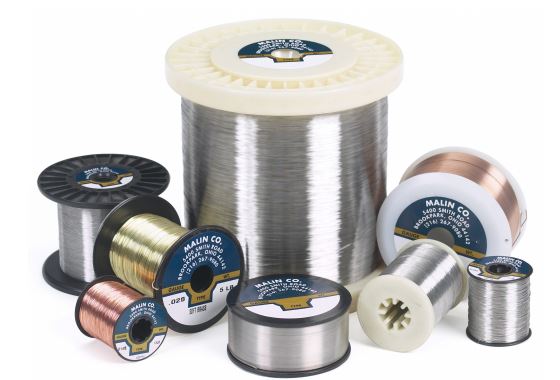
| Custom Spooling & Payoff Packaging | Wire delivered on specific carrier types or heavy coils | Maximizes machine runtime, minimizes coil changeover downtime |
| In-House Tensile Testing | Mill test certificates provided with each heat lot | Ensures full material traceability and regulatory compliance |
Technical Specifications to Verify Before High-Volume Orders
Selecting the correct wire specification before placing a bulk order prevents costly material returns and downstream machinery jams. Work closely with vendor metallurgical teams to confirm key physical and mechanical parameters.
Material Temper and Tensile Strength
Wire temper determines how the material behaves during automated forming, bending, or coiling operations:
- Soft Annealed: High ductility and low yield strength, suitable for weaving, lashing, and severe cold heading applications.
- 1/8 to 1/2 Hard: Balanced ductility and springback characteristics, ideal for general wire forms and clips.
- Full Hard / Spring Temper: High tensile strength and fatigue resistance, required for mechanical springs and high-stress components.
Surface Coating and Processing Lubricants
For high-speed automated production, surface finish plays a major role in tooling wear and feed reliability:
- Soap Coated: Provides built-in lubrication during heavy cold-forming and spring-coiling operations, protecting machinery dies.
- Bright Annealed: Delivers a smooth, oxide-free mirror finish suitable for visible consumer goods, medical tools, and architectural installations.
- Copper Coated: Acts as a solid lubricant during severe heading, reducing friction and die wear in fastener manufacturing.
Securing bulk stainless steel wire through established wholesale channels is a proven operational strategy to mitigate supply chain risks and control raw material costs. By establishing strong partnerships with capable distributors, manufacturers protect their production lines from unexpected material shortages while maintaining strict quality standards. Evaluating alloy grades, mechanical tempers, and vendor stocking capabilities ensures your facility maintains a resilient, cost-effective supply chain for every production run.