Why a High Temperature Thermocouple Sheath is the Most Critical Asset
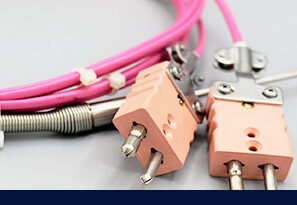
Selecting the correct high temperature thermocouple sheath is the most critical decision an engineer can make when designing a thermal monitoring system for extreme environments. While the thermocouple wire itself generates the signal, the sheath is the only barrier protecting that delicate lead from oxidation, mechanical stress, and chemical contamination. In industries such as glass manufacturing, metal forging, and aerospace testing, temperatures can easily exceed 1000°C, creating a hostile atmosphere that would instantly destroy an unprotected sensor. By utilizing a high-performance, high temperature thermocouple sheath, you ensure that your sensor maintains its calibration integrity, providing reliable data to your PLC or SCADA system without the risk of premature failure or signal drift.
The Technical Role of a High Temperature Thermocouple Sheath
The sheath acts as the primary hardware interface between the thermal process and the electronic monitoring equipment. Its main objective is to provide physical protection while allowing for rapid thermal transfer to the internal sensing junction.
Protecting Against Oxidation and Corrosion
At elevated temperatures, oxygen and other reactive gases can penetrate standard metals, causing them to scale or become brittle. A high temperature thermocouple made from specialized alloys like Inconel or Hastelloy provides superior resistance to these effects. This protection is vital because if the internal wires oxidize, their electrical resistance changes, leading to inaccurate temperature readings that could compromise your entire manufacturing process.
Maintaining Structural Integrity at Extremes
Heat naturally softens most metals, but a sheath designed for high-heat applications must remain rigid. If a sheath sags or deforms under its own weight at 1200°C, it can put mechanical strain on the internal ceramic insulators and the thermocouple wires. Using materials with high creep strength ensures that the sensor remains in the correct position for accurate point-of-measurement data.
Optimizing High Temperature Measurement Using Thermocouple Technology
Successful high temperature measurement using thermocouple sensors depends on more than just the probe; it requires a holistic approach to the signal chain. When working with temperatures in the four-digit range, the margin for error disappears, and even minor technical oversights can lead to massive data discrepancies.
Selecting the Right Calibration for the Environment
When performing high temperature measurement using thermocouple leads, choosing the correct type is paramount. While K-type is common, N-type (Nicrosil-Nisil) is often preferred for high-heat stability as it is more resistant to “Green Rot” oxidation. For temperatures exceeding 1300°C, noble metal thermocouples (R, S, or B) become the standard, as they do not oxidize even when exposed to open air at extreme heats.
Managing Response Time vs. Durability
There is always a technical trade-off between the thickness of the sheath and the response time of the sensor. A thicker high temperature thermocouple sheath offers better protection but slows down the “thermal lag” of the reading. In processes where temperatures fluctuate rapidly, engineers must choose a sheath diameter that is thin enough to capture real-time data but thick enough to survive the projected service life of the equipment.
Engineering Standards for a High Temperature Thermocouple
A high temperature thermocouple is an engineered asset that must meet specific industrial benchmarks. Whether you are dealing with gas turbines or industrial kilns, the internal components must be matched to the external housing to prevent “parasitic” electrical interference.
High-Purity Ceramic Insulation
Inside every high temperature thermocouple, the wires are separated by ceramic insulators. At high temperatures, standard insulation can become slightly conductive, allowing the signal to “leak” between the wires. Using high-purity alumina (99.7%) ensures that the millivolt signal remains isolated, even when the sheath is glowing red.
Grounded vs. Ungrounded Junctions
For the best protection against electrical noise in an IT-integrated factory, an ungrounded junction is typically recommended. In this configuration, the thermocouple junction is electrically isolated from the high temperature thermocouple sheath. This prevents ground loops and electrical interference from heaters or motors from distorting the temperature data being sent to the control room.
| Sheath Material | Max Temperature | Best Application |
| 310 Stainless Steel | 1100°C | General heat treating |
| Inconel 600 | 1150°C | Carburizing and oxidizing |
| Alumina (Ceramic) | 1800°C | Laboratory & Noble Metal sensors |
| Molybdenum | 2200°C | Vacuum furnaces (Non-oxidizing) |
Implementation and Maintenance Best Practices
To ensure that your high temperature measurement using thermocouple probes remains accurate over months of service, a proactive maintenance schedule is required.
Regular Visual Inspections for “Scaling”
Even the best high temperature thermocouple sheath will eventually show signs of wear. “Scaling” or pitting on the surface of the metal is a sign that the material is nearing its end-of-life. Replacing the probe before the sheath is breached prevents the internal wires from being destroyed, which is especially important if you are using expensive platinum-based sensors.
Calibrating for Thermal Drift
Over time, constant exposure to extreme heat can cause a “drift” in the sensor’s accuracy. By comparing your high temperature thermocouple against a known “master” sensor in a calibration furnace, you can apply offset values in your PLC software. This ensures that your digital readouts remain precise throughout the lifespan of the hardware.
Avoiding Thermal Shock
Rapidly moving a probe from room temperature into a 1200°C furnace can cause ceramic sheaths to crack due to thermal shock. Pre-heating the probe or introducing it slowly into the heat zone is a simple technical step that can double the life of your expensive high-temperature sensors.
Managing Immersion Depth
To avoid “conductive cooling”—where the sheath pulls heat away from the sensor tip—the probe must be immersed to a depth of at least 10 times its diameter. This ensures the junction is truly at the process temperature and not being cooled by the ambient air outside the furnace.
Investing in a high-quality high temperature thermocouple sheath is the most effective way to protect your industrial data. By understanding the material limits of your hardware and following best practices for high temperature measurement using thermocouple technology, you can eliminate the downtime caused by sensor failure. The goal is always consistent, reliable information. A robust high temperature thermocouple, protected by the right sheath, provides the foundation for that certainty, allowing your facility to operate at peak efficiency even in the most extreme thermal conditions.