How Vibration Isolator Mounts Improve Machinery and Safety
Vibration isolator mounts are essential components in various industrial machines, designed to reduce vibrations that can lead to damage or inefficiencies. By effectively dampening vibrations, these mounts enhance both machinery performance and safety standards in industrial settings. In this article, we will explore the fundamentals of vibration isolator mounts, the science behind vibration isolation, their benefits, and provide guidance on choosing the right mount for your machinery. Furthermore, we will include insights from industry professionals and relevant technical data to illustrate their effectiveness.
Understanding Vibration Isolator Mounts: The Basics
What Are Vibration Isolator Mounts?
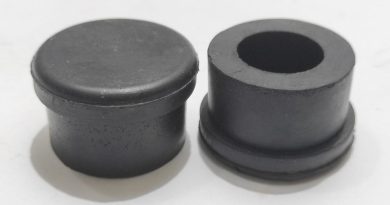
Vibration isolator mounts, commonly referred to as vibration dampening mounts, are engineered components used to minimize or eliminate vibrations transmitted from machines to their surroundings. These mounts typically consist of resilient materials, such as rubber or elastomers, designed to absorb vibrations before they can propagate through structures or equipment.
Effective vibration isolation can lead to a 30% reduction in wear and tear on machinery components, which underscores the importance of these mounts in various applications, from manufacturing equipment to HVAC systems. They help maintain the integrity of machinery while also protecting the surrounding environment from potentially harmful vibrations.
The Role of Rubber Vibration Mounts in Industrial Machinery
In industrial settings, machinery often operates under heavy loads and at high speeds, leading to significant vibrations. Over time, these vibrations can cause wear and tear on components, leading to costly repairs and downtime. Vibration isolator mounts serve several key functions:
- Protection of Equipment: By absorbing vibrations, these mounts protect sensitive components from damage.
- Enhanced Performance: Minimizing vibrations helps improve the overall performance and efficiency of machinery.
- Noise Reduction: They also play a significant role in reducing noise associated with machinery operation, creating a more pleasant work environment.
The Science Behind Vibration Dampening Mounts
How Vibration Isolation Works
Vibration isolation is based on the principle of damping, which is the process of reducing the amplitude of vibrations. Vibration isolator mounts function by converting kinetic energy from vibrations into thermal energy, which is then dissipated. This process involves several key concepts:
- Resilience: The materials used in vibration isolator mounts, such as rubber, have a high level of resilience, allowing them to absorb and dissipate energy effectively.
- Natural Frequency: Each machine has a natural frequency at which it vibrates. Vibration isolator mounts are designed to operate at a frequency that minimizes the amplification of vibrations.
- Damping Ratio: The effectiveness of a vibration isolator mount is often measured by its damping ratio, which indicates how well it can absorb vibrations. For example, rubber vibration mounts typically have a damping ratio of 0.5 to 0.6, making them highly effective in various applications.
Types of Vibration Isolator Mounts
There are several types of vibration isolator mounts, each designed for specific applications:
- Rubber Vibration Mounts: These mounts are widely used due to their excellent vibration-damping properties. They are suitable for various industrial applications and are known for their durability.
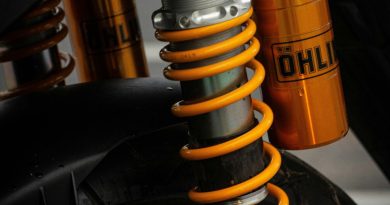
- Spring Mounts: These mounts are designed to absorb larger shocks and are often used in heavy machinery.
- Air Mounts: Utilizing air pressure, these mounts can provide superior isolation, especially in sensitive applications.
Benefits of Using Vibration Isolator Mounts in Industrial Settings
Enhanced Operational Efficiency
One of the primary benefits of using vibration isolator mounts is enhanced operational efficiency. By minimizing vibrations, these mounts can improve the performance of machinery, leading to increased productivity. Equipment that operates smoothly is less likely to experience mechanical failures, resulting in fewer interruptions in operations.
Reduced Wear and Tear
Vibration-damping mounts significantly reduce the wear and tear on machinery components. By absorbing shocks and vibrations, they prolong the lifespan of vital parts, lowering maintenance costs and minimizing the need for frequent replacements. This is particularly important in environments where machinery is subjected to continuous operation.
Improved Comfort and Safety for Workers
In addition to protecting machinery, vibration isolator mounts contribute to a safer working environment. Excessive vibrations can lead to discomfort and health issues for workers, including conditions such as repetitive strain injuries. By reducing vibration levels, these mounts help create a more ergonomic workspace, ultimately improving worker satisfaction and productivity.
Cost-Effectiveness
While the initial investment in vibration isolator mounts may seem significant, the long-term savings on maintenance and repairs can make them a cost-effective solution. By extending the lifespan of machinery and reducing downtime, businesses can realize substantial financial benefits.
Improving Safety Standards with Vibration Isolator Mounts
Compliance with Regulations
Many industries are required to adhere to strict safety regulations regarding noise and vibration levels. Implementing vibration isolator mounts can help companies meet these regulatory requirements, ensuring a safer environment for both workers and equipment.
Minimizing Hazards
Vibrations can lead to hazardous situations, particularly in heavy machinery where they can cause instability or unexpected movements. By dampening vibrations, these mounts help minimize the risk of accidents, ensuring a safer workplace.
Enhancing Equipment Stability
Stable machinery is safer machinery. Vibration isolator mounts enhance the stability of equipment, reducing the likelihood of tipping or shifting during operation. This stability is crucial in preventing accidents and injuries.
Choosing the Right Vibration Isolator Mount for Your Machinery
Assessing Your Needs
When selecting vibration isolator mounts, it is essential to assess your specific needs. Consider factors such as the type of machinery, the frequency and amplitude of vibrations, and the environment in which the equipment operates. Understanding these factors will help you choose the most suitable mount.
Material Selection
The material of vibration isolator mounts plays a significant role in their effectiveness. Rubber vibration mounts are popular for their excellent dampening properties, but other materials, such as polyurethane or metal, may be more suitable for specific applications. Evaluate the specific requirements of your machinery to make an informed choice.
Load Capacity
Every vibration isolator mount has a specified load capacity. It is crucial to choose mounts that can handle the weight of your machinery to ensure optimal performance. Overloading a mount can lead to premature failure and increased vibrations.
Environmental Considerations
Finally, consider the environmental conditions in which the mounts will be operating. Factors such as temperature, humidity, and exposure to chemicals can affect the performance of the mounts. Select materials that can withstand the specific conditions of your industrial environment.
| Aspect | Details | Benefits | Examples of Applications |
| Types of Mounts | Rubber, Spring, Air | Different mounts cater to specific vibration isolation needs | Manufacturing, HVAC, Automotive |
| Material Properties | Rubber (high resilience), Polyurethane, Metal | Material choice affects damping ability and durability | Varying applications based on material |
| Load Capacity | Specific weight limits for each mount type | Ensures optimal performance by preventing premature failure | Heavy machinery, sensitive equipment |
| Damping Ratio | Typical values range from 0.5 to 0.6 for rubber mounts | Higher damping ratios lead to better vibration absorption | Precision machinery, medical equipment |
| Environmental Factors | Resistance to temperature, humidity, and chemicals | Proper material selection ensures mount longevity under specific conditions | Outdoor machinery, chemical processing plants |
| Regulatory Compliance | Adherence to safety regulations related to noise and vibration levels | Helps organizations meet industry standards and improve workplace safety | Construction sites, manufacturing facilities |
| Cost Implications | Initial investment vs. long-term savings on maintenance and repairs | Cost-effective in the long run by extending machinery life and reducing downtime | Various industries with high operational costs |
In conclusion, vibration isolator mounts are essential components in modern industrial machinery. They play a vital role in improving machinery performance, enhancing safety standards, and contributing to a more comfortable working environment. By understanding the science behind vibration isolation and selecting the right mounts for your needs, you can ensure the longevity of your machinery and the safety of your workplace.
With the right vibration-dampening solutions in place, businesses can operate more efficiently and effectively, ultimately leading to greater success in their respective industries. If you’re looking to improve the performance and safety of your machinery, consider investing in high-quality vibration isolator mounts today.