The Importance of Vibration Isolator Mounts for Machinery
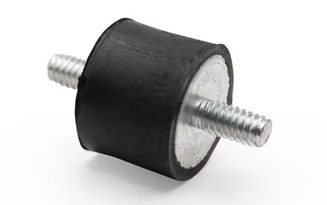
Vibration isolator mounts are essential for maintaining equipment stability, reducing mechanical noise, and extending the lifespan of heavy machinery. Excess structural movement in industrial setups leads to premature component failure, structural fatigue, and persistent operational downtime. Installing high-performance vibration-damping mounts directly counteracts harmonic energy transfer, safeguarding surrounding structures and critical internal components from continuous impact damage.
Choosing the Right Vibration Isolator Mounts for Industrial Systems
Selecting the proper isolation system requires evaluating static load capacity, operational frequency, and working environment conditions. Machinery such as air compressors, HVAC systems, generators, and heavy manufacturing equipment generates distinct vibration signatures that require tailored isolation profiles.
Unchecked kinetic energy transfers through baseframes into floor structures, amplifying sound levels and accelerating bolt loosening across assembly lines. Using specialized rubber vibration mounts isolates dynamic loads, converting kinetic forces into thermal energy before structural fatigue damages sensitive machinery components.
Dynamic Load Distribution and Material Selection of Vibration Dampening Mounts.
Selecting the correct isolation material ensures effective performance under changing operational stresses. Elastomers, natural rubber, and metal springs offer distinct advantages based on environmental exposure and dynamic load demands.
- Elastomeric and natural rubber materials provide excellent damping for high-frequency low-amplitude vibrations, absorbing rapid cyclic shocks cleanly.
- Neoprene and nitrile formulations offer resistance to oil exposure, chemical splashing, and high thermal operating ranges.
- Helical spring mounts handle high-weight, low-frequency oscillations, providing heavy duty support for heavy industrial foundations.
| Mount Material | Primary Advantage | Best Suited Applications | Resistance Profile |
| Natural Rubber | High damping efficiency | Motors, pumps, light equipment | Moderate weather, low chemical |
| Neoprene | Oil and chemical resistance | HVAC units, engine bays | High oil, ozone, and heat |
| Heavy-Duty Elastomer | Severe impact absorption | Stamping presses, crushing gear | High abrasion and mechanical stress |
Key Installation Factors for Optimal Damping Performance
Proper mounting placement determines how effectively vibration energy disperses across the base framework. Incorrect installation reduces damping efficiency and introduces uneven wear across equipment bearings.
Center of Gravity Alignment
Identify the exact center of gravity for the machinery payload before selecting mounting points. Unequal weight distribution causes individual mounts to compress unevenly, reducing their capacity to damp transient shock loads.
Environmental Surface Conditions
Clean and level mounting surfaces prevent localized stress concentrations on mount bases. Anchor bolts must be torqued precisely to manufacturer specifications to avoid pre-loading rubber elements, which can cause premature tearing or stiffness under load.
Maintaining Rubber Vibration Mounts for Long-Term Equipment Health
Regular inspection schedules prevent sudden isolation failures and help maintain smooth machinery operations. Environmental factors like chemical vapor exposure, extreme temperature swings, and severe physical impacts gradually degrade rubber materials over time.
Inspect mounts quarterly for signs of elastomeric hardening, surface cracking, permanent compression set, or oil degradation. Replacing worn vibration-damping mounts on a preventative maintenance schedule preserves precise machine alignments, prevents frame cracking, and avoids costly emergency system shutdowns.
Integrating proper vibration isolator mounts into equipment foundations remains an essential step for mitigating structural wear, reducing noise pollution, and ensuring long-term operational reliability. Evaluating system load requirements, selecting appropriate elastomeric compounds, and maintaining proper installation standards preserves machinery integrity and lowers overall maintenance costs.