How a Vibration Mount Can Enhance Your Equipment’s Longevity
In today’s industrial settings, the reliability and longevity of equipment can be significantly improved with the use of a vibration mount, specifically isolation rubber mounts. These components play a crucial role in reducing wear and tear on machinery, enhancing performance, and lowering maintenance costs. This article explores the importance of vibration mounts, how they work, their benefits, and best practices for selection and maintenance.
Vibration Mount: The Silent Equipment Killer
The Nature of Vibration
Vibration is a common phenomenon in many industrial applications. It occurs when machinery operates, generating oscillations that can lead to various issues. Key causes include:
- Imbalance in Rotating Parts: Unbalanced components like motors or fans create excessive vibrations.
- Mechanical Misalignment: Misaligned shafts, pulleys, or couplings introduce vibrations that can harm equipment.
- External Forces: Factors like wind or seismic activity can also create unwanted vibrations.
The Impact of Vibration on Equipment
Vibration can lead to several problems, including:
- Increased Wear and Tear: Constant oscillations speed up component degradation, causing premature failure.
- Reduced Operational Efficiency: Machines that vibrate excessively consume more energy, raising operational costs.
- Safety Hazards: Uncontrolled vibrations can cause equipment malfunctions, creating safety risks for operators and nearby personnel.
Understanding these dynamics is essential for implementing effective solutions, such as isolation rubber mounts, to mitigate vibration-related issues.
What are Isolation Rubber Mounts? An Overview
Definition and Purpose
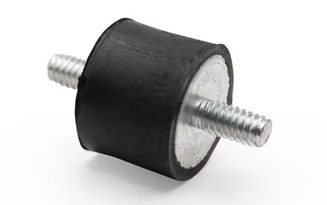
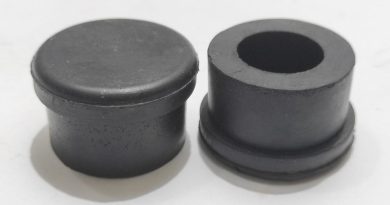
A vibration mount is designed to absorb and dampen vibrations from machinery. Made from materials like rubber or elastomers, these isolation mounts provide flexibility and resilience. Their primary purposes include:
- Isolating Equipment: By absorbing vibrations, these mounts prevent vibrations from reaching surrounding structures and equipment.
- Protecting Sensitive Components: They shield delicate machinery from the harmful effects of vibrations.
Types of Isolation Mounts
Several types of vibration mounts are available, including:
- Isolation Rubber Mounts: These absorb vibrations while stabilizing equipment. They are commonly used in HVAC systems and industrial machinery.
- Spring Mounts: These use springs to absorb shock and are ideal for applications with significant dynamic loads.
- Pneumatic Mounts: These utilize air pressure to dampen vibrations, often used in heavy machinery and transportation.
Understanding the different types of vibration mounts helps you select the right one for your needs.
How Vibration Mounts Work: The Science Behind the Solution
The Mechanics of Vibration Absorption
Vibration mounts operate by dissipating energy. When a machine vibrates, the vibrations transfer to the mount, which absorbs and dissipates the energy. Key mechanisms include:
- Damping: The viscoelastic quality of rubber allows it to deform under stress, absorbing vibrational energy.
- Isolation: The design of vibration mounts creates a barrier that prevents vibrations from traveling to adjacent structures, maintaining the integrity of both the equipment and the environment.
Factors Influencing Performance
The effectiveness of vibration mounts depends on several factors, including:
- Material Properties: The type of rubber or elastomer affects vibration-damping capabilities. High-quality materials withstand greater loads and provide better isolation.
- Mount Design: The geometry and configuration influence performance. For example, mounts with larger surfaces may offer better vibration absorption.
- Load Capacity: Each mount has specific load ratings. Exceeding these limits can undermine the mount’s effectiveness and harm equipment.
Understanding these principles helps in selecting and using vibration mounts effectively.
Benefits of Using Vibration Mounts for Equipment Longevity
Enhanced Equipment Lifespan
Using vibration mounts significantly extends equipment lifespan. By minimizing wear and tear from vibrations, these mounts help machines operate smoothly for longer. This longevity leads to reduced downtime and lower maintenance costs.
Improved Operational Efficiency
Vibration negatively affects machinery efficiency. Using isolation mounts to absorb vibrations allows equipment to function better, resulting in:
- Lower Energy Consumption: Machines that operate without excessive vibrations use energy more efficiently.
- Quieter Operation: Vibration mounts reduce noise levels, creating a more pleasant working environment.
Safety and Compliance
In many industries, safety standards are crucial. Excessive vibrations can cause equipment failures that pose risks. Implementing vibration mounts enhances workplace safety and helps meet industry regulations.
Choosing the Right Vibration Mount for Your Needs
Assessing Your Equipment and Environment
When selecting vibration mounts, consider both the equipment and the operating environment. Key factors include:
- Type of Equipment: Different machines have various vibration characteristics. Understanding these helps in choosing the right mount.
- Operational Conditions: Consider temperature, humidity, and chemical exposure, as these can impact mount performance.
Load and Frequency Considerations
Select vibration mounts rated for the appropriate load and frequency. Guidelines include:
- Dynamic Load Rating: Ensure the mount supports the equipment’s weight, accounting for additional dynamic loads during operation.
- Natural Frequency: Choose mounts with a natural frequency that aligns with the machinery’s operational frequency for optimal vibration isolation.
Consulting with Experts
If unsure about which vibration mount to choose, consult manufacturers or engineering experts. They can provide insights based on your specific application and help you make informed decisions.
Maintenance Best Practices for Vibration Mounts and Equipment
Regular Inspections
| Maintenance Practice | Description | Frequency | Importance |
| Visual Checks | Inspect mounts for wear, cracks, or deformation. | Monthly | Identifies issues before they escalate. |
| Load Monitoring | Track the load on mounts to ensure they are not overloaded. | Monthly | Prevents premature failure of mounts. |
| Cleaning | Remove debris or contaminants that may affect mount’s performance. | Quarterly | Maintains optimal performance. |
| Replacement | Replace mounts showing significant wear or damage. | As needed | Ensures effective vibration isolation. |
| Personnel Training | Educate staff on the importance of vibration mounts and proper maintenance. | Biannually | Promotes a proactive maintenance culture. |
To ensure the longevity of vibration mounts and the equipment they support, regular inspections are crucial. Here are maintenance tips:
- Visual Checks: Regularly inspect mounts for signs of wear, cracks, or deformation.
- Load Monitoring: Track the load on the mounts to ensure they are not overloaded.
Cleaning and Replacement
Maintaining cleanliness around vibration mounts enhances performance. Be aware of when to replace mounts:
- Cleaning: Remove debris or contaminants that may affect the mount’s performance.
- Replacement: If mounts show significant wear or damage, replace them promptly to maintain effective vibration isolation.
Training and Awareness
Educating personnel about the importance of vibration mounts and proper maintenance practices contributes to overall efficiency and safety. Regular training sessions and providing resources foster a culture of proactive maintenance.
In conclusion, vibration mounts are vital for extending the lifespan and efficiency of equipment in various industries. By understanding vibrations, selecting appropriate mounts, and following maintenance best practices, businesses enhance operational reliability and safety. Investing in quality isolation rubber mounts pays off in reduced downtime and maintenance costs, ensuring smoother operations for years.