Boosting Material Sales With Premium Brick Sample Boards
Selling masonry materials requires more than just a digital catalog or a printed brochure. Architects, builders, and homeowners need to see the exact texture, color variations, and finishing details before committing to a large-scale purchase. This is exactly where well-crafted brick sample boards become an essential sales tool. By presenting physical pieces of masonry in a clean, organized format, manufacturers and distributors can confidently showcase their product lines. A professional presentation builds immediate trust and makes the selection process much easier for the final decision-maker.
The Value of High-Quality Brick Sample Boards
When pitching materials for a new commercial build or a residential renovation, the physical presentation carries significant weight. High-quality brick sample boards do more than just hold pieces of clay together. They communicate the brand’s commitment to quality and attention to detail.
Making a Strong First Impression
First impressions matter when presenting building materials. A flimsy or poorly glued display detracts from the perceived value of the masonry itself. Conversely, a solid, well-designed display elevates the product. It allows the client to focus entirely on the aesthetic qualities of the masonry rather than worrying about the integrity of the manufacturer.
Bridging the Gap Between Digital and Physical
While online galleries provide a great starting point, they cannot accurately convey depth, texture, or how the material reacts to natural light. Physical displays bridge this gap. They allow clients to run their hands over the rough edges, examine the specific color blends, and hold the product up against other exterior finishes like siding or roofing materials.
Designing an Effective Brick Sample Board
Creating a tool that actually helps close a sale requires thoughtful design. Every single brick sample board leaving your facility needs to represent your best work. The construction process involves careful selection of backing materials, strong adhesives, and a logical layout.
Selecting the Right Backing Materials
The foundation of the display is critical. It must support the heavy weight of the masonry without warping or bowing over time. If the backing fails, the entire presentation is compromised.
MDF Versus Plywood Backing
Manufacturers typically choose between Medium-Density Fiberboard (MDF) and high-grade plywood for their core materials.
- MDF: Offers a perfectly smooth surface for applying printed graphics or branded overlays. It is heavy but highly stable for indoor use.
- Plywood: Provides excellent rigidity and holds screws well. It is often preferred for larger displays that require extra structural integrity.
Optimizing Layout and Spacing
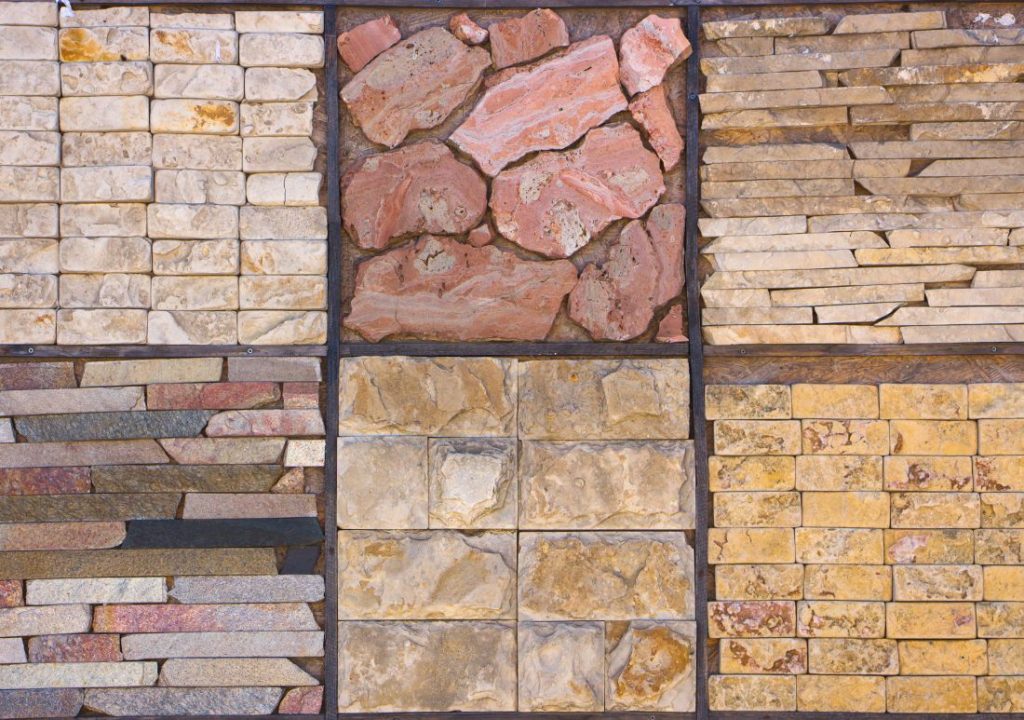
Clutter is the enemy of a good product presentation. The layout on a brick sample board should be intuitive. Grouping similar color palettes together or showcasing a gradient of textures helps the buyer compare their options easily. Leaving adequate negative space around each piece prevents the display from looking crowded and allows the individual characteristics of each cut to stand out clearly.
Key Components of a Professional Display
Beyond the masonry itself, several secondary elements contribute to a successful presentation. These details separate a basic mockup from a premium sales tool.
Accurate Grout Representation
The color and thickness of the mortar drastically change the final appearance of a wall. A premium display often includes simulated grout lines between the masonry pieces. This gives the client a highly accurate preview of the finished installation, removing any guesswork from the design process.
Clear Labeling and Branding
Every piece of masonry must be clearly identified. If a client falls in love with a specific texture, they need to know its exact product name or SKU immediately.
- Printed Overlays: Full-color printed graphics applied directly to the backing board offer a clean, seamless look.
- Vinyl Decals: These provide sharp, durable text that resists fading and peeling under bright showroom lights.
- Screen Printing: A highly durable option for adding permanent company logos and contact information to the back or front of the display.
Practical Uses for a Brick Sample Board in the Field
Sales representatives and distributors rely heavily on these physical tools during their daily operations. A versatile brick sample board must perform well in various environments, from quiet design centers to active construction zones.
Showroom Presentations
In a dedicated design center, displays are usually housed in custom racking systems. The boards need to slide in and out of these racks smoothly without snagging or chipping the masonry edges.
Lighting Considerations
Showrooms utilize intense directional lighting to highlight architectural features. The display backing should feature a matte finish to prevent harsh glares that might distract from the product’s natural finish.
On-Site Client Meetings
Architects frequently request physical samples to review on the actual job site. A well-constructed brick sample board allows the sales rep to easily transport multiple options directly to the client. Viewing the materials under natural sunlight at the project location often solidifies the final purchasing decision.
Maximizing Durability and Portability
Because these tools are handled frequently, loaded into vehicles, and shipped across the country, durability is a massive priority. A display must survive the rigors of travel to remain a viable sales asset.
Handling Weight Constraints
Masonry is inherently heavy. To keep the displays manageable for sales reps, manufacturers must strategically balance the size of the board with the weight of the materials.
| Material Cut | Weight Impact | Visual Representation |
| Full Brick | Extremely Heavy | Shows complete depth and structural size. |
| Thick Veneer | Moderate | Good balance of weight and corner detail. |
| Thin-Cut Face | Lightweight | Excellent for flat boards and easy transport. |
Manufacturers frequently use thin-cut veneers rather than full-sized blocks. This drastically reduces the overall weight of the board while still providing a completely accurate surface representation for the client.
Packaging for Safe Transit
Shipping these heavy, fragile displays requires specialized packaging. Utilizing custom-cut foam inserts and reinforced cardboard boxes ensures the display arrives at the architect’s office in pristine condition. A broken sample instantly ruins the presentation and wastes valuable resources, making proper packaging an essential part of the fulfillment process.
Investing in high-quality presentation tools is a direct investment in your sales pipeline. When you equip your team with a professionally manufactured brick sample board, you empower them to present your products with absolute confidence. By prioritizing clean layouts, durable construction, and clear branding, you make it incredibly easy for clients to choose your materials for their next major project.