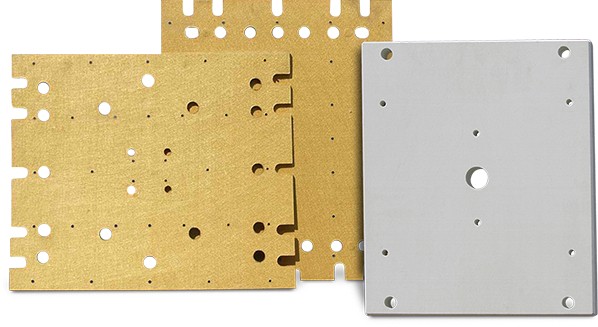
How Thermal Insulating Sheets Cut Energy Costs
Installing high-performance thermal insulating sheets is one of the most effective strategies industrial facilities and commercial operations can implement to minimize thermal loss and maintain strict temperature control. Unmanaged heat dissipation across equipment, piping, and structural enclosures leads to excessive energy consumption, higher operating costs, and increased wear on mechanical systems. Integrating advanced thermal barriers ensures sustained energy efficiency, enhanced operational safety, and consistent thermal performance across demanding industrial environments.
How Thermal Insulating Sheets Optimize Heat Management
Modern thermal insulating sheets are engineered using advanced low-conductivity materials like dense silicone, ceramic fiber, and expanded PTFE. These specialized sheet materials create a durable physical barrier that impedes conductive and convective heat transfer across high-temperature surfaces. By maintaining consistent surface temperatures, facilities protect sensitive machinery components from thermal degradation while significantly reducing heat loss to surrounding ambient environments.
Core Functions of High-Performance Thermal Insulation Plate Materials
Selecting the right thermal insulation plate relies on evaluating specific temperature limits, mechanical compressive strength, and material flexibility. Different operating conditions require distinct material compositions to ensure long-term structural integrity and thermal resistance. Key technical functions include:
- Suppressing thermal bridging between high-temperature equipment housings and structural supports
- Absorbing mechanical vibration and thermal expansion stresses across mating metal surfaces
- Protecting surrounding electronic controls and hydraulic lines from radiant thermal damage
- Mitigating surface condensation risks on chilled fluid lines and environmental enclosures
Performance Comparison of Industrial Heat Insulation Plate Options
Industrial applications utilize a wide variety of rigid and flexible board solutions depending on environmental exposure, chemical contact, and peak operating temperatures. Matching the proper heat insulation plate composition to your operational demands prevents premature material breakdown and ensures maximum thermal efficiency.
| Insulation Material | Max Operating Temp | Thermal Conductivity | Primary Application |
| Fiberglass Composite | Up to 550°C | Low | Machine platens, press tooling, mold insulation |
| Ceramic Fiber Board | Up to 1260°C | Ultra-Low | High-temp furnaces, kilns, boiler combustion chambers |
| Microporous Matrix | Up to 1000°C | Extremely Low | Aerospace heat shields, tight-clearance thermal barriers |
Key Technical Considerations for Heat Insulation Plate Selection
Engineers must account for mechanical compression loads alongside thermal performance when specifying a heat insulation plate for industrial equipment. Placing soft or unreinforced insulating materials under heavy mechanical loads can lead to crushing, reduced thickness, and diminished insulating effectiveness over time.
Managing Compressive Load and Thermal Expansion
Rigid thermal insulation boards placed beneath heavy mold plates or hydraulic presses require high compressive strength to prevent physical deformation under pressure. Choosing a high-density composite prevents mechanical shifting and ensures the barrier maintains its exact thickness and insulating capacity under continuous operational strain.
Investing in high-grade thermal insulating sheets allows industrial facilities to optimize heat retention, reduce overall energy expenditures, and protect valuable plant equipment from extreme temperatures. Evaluating temperature thresholds, mechanical load requirements, and material density during the initial planning phase ensures your thermal management system delivers lasting operational savings.