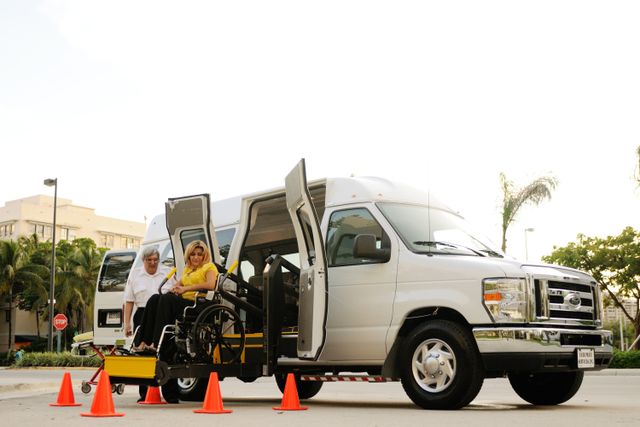
Safe Patient Transport with CJ Medical Transportation
Selecting a reliable non emergency medical service requires careful planning to maintain continuous care. Choosing CJ Medical Transportation ensures patients reach dialysis centers, routine physicals, and specialized clinical consultations safely and on schedule. Navigating healthcare logistics can quickly become overwhelming for individuals with mobility challenges or chronic medical conditions. Professional transportation bridges this critical gap, providing structured schedules, specialized vehicles, and trained drivers who prioritize personal safety at every leg of the journey.
Choosing CJ Medical Transportation for Dependable Non-Emergency Care
Non-emergency medical transportation (NEMT), like CJ Medical Transportation serves as a vital link within the broader healthcare ecosystem. Patients who no longer drive or require specialized mobility assistance rely on structured NEMT services to maintain their regular treatment routines. Missing a single physical therapy session or chemotherapy appointment can disrupt long term treatment outcomes.
Modern NEMT solutions focus heavily on punctual dispatching, vehicle cleanliness, and specialized seating arrangements. Standard rideshare services rarely cater to passengers needing wheelchair assistance or personalized door-to-door aid. Partnering with a dedicated service mitigates the risk of missed medical visits while providing a smooth, stress free travel experience.
Technical Standards in Modern CJ Medical Transportation Solutions
Safety and operational efficiency depend entirely on vehicle specifications and maintenance protocols. A dedicated CJ transport fleet incorporates specialized modifications engineered to handle various physical limitations.
| Vehicle Feature | Operational Purpose | Patient Benefit |
| Hydraulic Wheelchair Lifts | Mechanical loading of motorized or manual chairs | Smooth boarding without manual lifting risks |
| Integrated Tie Down Systems | Floor anchored four point restraint mechanisms | Maximum stability during transit and sudden stops |
| Climate Controlled Cabins | Continuous temperature and airflow regulation | Enhanced comfort for fragile or sensitive passengers |
| Low Floor Entry Steps | Reduced step height with support handrails | Easier access for ambulatory passengers with mobility aids |
Regular mechanical inspections and sanitation cycles prevent unexpected delays and lower infection risks. These structural safeguards ensure that every passenger remains secure throughout their trip.
Driver Qualifications and Safety Protocols for CJ Transport
Vehicle modifications only solve part of the mobility equation. The expertise of the driver remains equally vital to passenger safety and comfort.
- First Aid and CPR Certification: Drivers receive training to manage basic medical situations and respond appropriately during transit.
- Passenger Assistance Techniques: Specialized instruction covers safe transfer methods for ambulatory and wheelchair bound clients.
- Defensive Driving Standards: Comprehensive road safety courses focus on gentle braking, smooth cornering, and traffic navigation.
- Background Verifications: Systematic screenings ensure patient security and build trust for recurring transportation schedules.
Strategic Advantages for Healthcare Facilities and Families
Coordinating care involves multiple stakeholders, including medical staff, case managers, and family members. Utilizing structured NEMT services eliminates logistical guesswork and optimizes daily routines.
Streamlining Clinic Operations
Hospitals and outpatient clinics experience frequent schedule disruptions due to late or missed patient arrivals. Reliable transportation partners help clinical facilities maintain predictable appointment windows, reducing idle room time and improving overall resource utilization.
Reducing Caregiver Burden
Family members often struggle to balance work responsibilities with driving relatives to frequent medical treatments. Delegating transport duties to trained professionals offers peace of mind while ensuring the patient receives attentive care from door to door.
Key Considerations When Scheduling Non Emergency Rides
Proper planning ensures a seamless transport experience from pickup to arrival. Following a structured checklist helps prevent unexpected delays and ensures all physical accommodation requirements are met.
- Confirm Equipment Needs: Specify whether the passenger requires a standard wheelchair, an oversized chair, or a stretcher setup during booking.
- Detail Access Points: Inform the dispatcher about specific pickup constraints, such as steep driveways, narrow entry doors, or apartment elevators.
- Allow Buffer Time: Schedule arrival times at least fifteen to twenty minutes prior to the official medical appointment.
- Prepare Documentation: Keep necessary medical identification, authorization forms, and destination details readily available.
Securing dependable non emergency transit is essential for maintaining regular health routines and overall quality of life. CJ Medical Transportation delivers the specialized equipment, trained personnel, and strict safety standards required for continuous patient care. Partnering with a dedicated NEMT provider removes travel barriers, protects health outcomes, and ensures every journey remains safe and efficient.