Durable Viton Molding for Extreme Chemical Environments
Selecting a material that remains stable under extreme conditions is one of the most significant challenges in industrial engineering. For many high-stakes applications, Viton molding has emerged as the gold standard for creating seals and components that must resist aggressive chemicals and high temperatures. Known scientifically as a fluoroelastomer (FKM), Viton offers a level of performance that standard rubber compounds simply cannot match. Its ability to maintain structural integrity when exposed to fuels, oils, and various solvents makes it an essential material for the aerospace, automotive, and chemical processing industries.
Why Viton Molding is Superior
The primary reason engineers specify Viton molding for their projects is the material’s incredible resistance to environmental degradation. In industrial settings, parts are often subjected to a cocktail of heat and corrosive fluids that would cause standard Nitrile or EPDM to swell, soften, or crack. Viton remains flexible and functional, ensuring that seals do not fail prematurely and cause expensive system downtime.
Unmatched Chemical Resistance
The molecular structure of Viton is designed to withstand a vast array of chemicals. It is particularly effective against aromatic and aliphatic hydrocarbons, which are common in fuel and oil systems.
High Temperature Stability
Thermal degradation is a common cause of failure for rubber parts. However, Viton can operate continuously at temperatures as high as 400°F (204°C).
Precision in Viton Rubber Molding Processes
Achieving a high-quality finished product requires a deep understanding of Viton rubber molding techniques. Because Viton is a premium material, the manufacturing process must be precise to minimize waste and ensure the final part meets exacting tolerances. Manufacturers typically use several different methods to shape this resilient polymer.
Injection Molding for High Volume Production
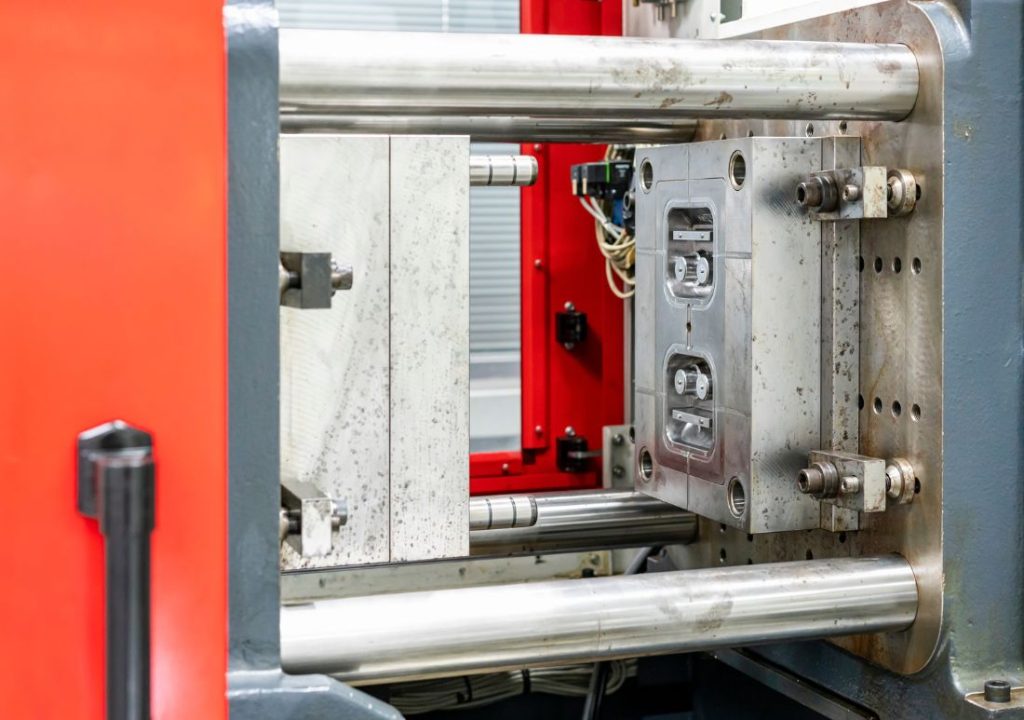
Injection molding is often the most efficient way to produce small, complex Viton parts. This process involves heating the material and injecting it into a mold at high pressure.
Compression Molding for Larger Components
When a part is too large for an injection machine, compression molding is used. In this process, a pre-formed piece of Viton is placed into an open mold cavity, which is then closed and heated.
Applications for Custom Molded Viton Rubber Parts
The versatility of this material allows it to be used in a wide range of products. From the smallest O-ring to large-scale industrial liners, molded Viton rubber parts are found in almost every sector of modern manufacturing.
Aerospace and Defense Sector
In the aerospace industry, weight and reliability are everything. Viton is used extensively in fuel systems and engine compartments because it can withstand the high-octane fuels and extreme altitudes without degrading.
Automotive and Fuel System Engineering
The shift toward biofuels has created new challenges for automotive manufacturers. Some standard rubber materials react poorly to ethanol blends, leading to leaks and engine damage.
Enhancing Longevity and Maintenance
While molded Viton rubber parts are designed for durability, their performance is also influenced by how they are handled and installed. Proper maintenance practices ensure that these components reach their full design life.
Installation Best Practices
During installation, it is crucial to avoid damaging the surface of the Viton part. Scratches or nicks can act as stress concentrators, leading to a premature tear or leak under pressure.
Lubrication Requirements
Using the correct lubricant during assembly can prevent the Viton from sticking to metal surfaces. It is important to use a lubricant that is chemically compatible with both the Viton and the fluids it will encounter in the system.
Avoiding Over-Compression
While Viton has an excellent compression set, over-tightening a seal can cause permanent deformation. Following the manufacturer’s torque specifications is essential for maintaining the integrity of the seal.
Storage and Shelf Life
One of the great advantages of Viton is its long shelf life. Unlike natural rubber, which can degrade in as little as five years, Viton parts can often be stored for up to twenty years under the right conditions.
Environmental Storage Conditions
To maximize shelf life, parts should be stored in a cool, dark place. Exposure to high levels of humidity or ultraviolet light should be avoided to prevent any surface oxidation.
Periodic Inspections
Even though Viton is highly stable, stored parts should be inspected periodically for any signs of surface residue or change in flexibility before they are placed into service.
As we move through 2026, the demand for high-performance materials continues to grow. Manufacturers are developing new grades of Viton that offer even better low-temperature flexibility and improved resistance to steam and base chemicals. These advancements will continue to expand the range of applications for this remarkable material, ensuring that it remains a cornerstone of industrial design for the foreseeable future. By choosing a partner with expertise in Viton production, companies can leverage these technological gains to build safer and more efficient products.