Key Considerations Before Installing Transparent Stairs
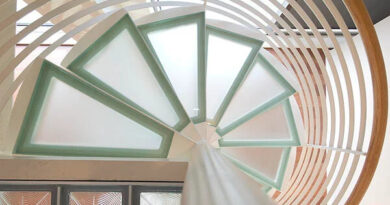
Modern architecture frequently pushes the boundaries of design by manipulating light and space to create open, airy environments. One of the most striking features used to achieve this effect is the installation of transparent stairs. Unlike traditional opaque stairwells that can block light and visually divide a room, these translucent structures allow light to filter through, creating an illusion of floating steps and significantly enlarging the perceived space of an interior. However, integrating such a complex architectural element requires careful planning, engineering precision, and a deep understanding of material properties.
Structural Engineering for Transparent Stairs
The visual lightness of transparent stairs belies the heavy-duty engineering required to support them. Unlike wood or concrete, glass is a rigid material with specific load-bearing characteristics that must be calculated precisely. The structural integrity of the system depends heavily on how the load is transferred from the treads to the stringers or the wall.
Support Systems for Glass Staircase
There are several ways to mount these steps, each with different structural implications:
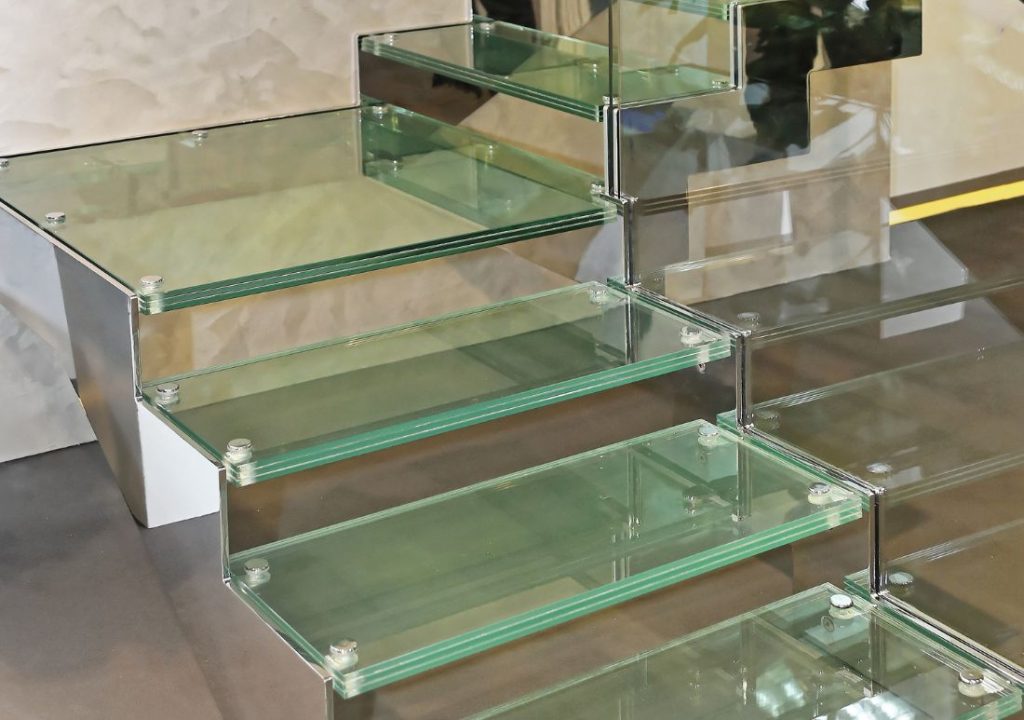
- Cantilevered Systems: The steps are anchored into a hidden steel stringer within the wall, appearing to float in mid-air. This requires significant reinforcement of the wall structure during the framing stage.
- Double Stringer: Two steel beams support the glass treads on either side. This is often more cost-effective but slightly less “invisible” than cantilevered options.
- Suspended Systems: Stainless steel cables or rods hang from the ceiling to support the treads, creating a high-tech, industrial aesthetic.
Regardless of the method, the engineering of glass staircase must account for both static loads (the weight of the structure itself) and dynamic loads (the impact of people walking). Professional structural analysis is non-negotiable to ensure the installation meets local building codes and safety standards.
Material Selection for a Safe Glass Stairway
When specifying materials for a glass stairway, standard window glass is never an option. The industry standard involves utilizing multi-layered, engineered glass designed to withstand significant weight and impact.
Laminated vs. Tempered Glass
Safety relies on a combination of tempering and lamination.
- Tempered Glass: Heat-treated to be up to five times stronger than annealed glass. If it breaks, it shatters into small, blunt cubes rather than jagged shards.
- Laminated Glass: Consists of two or more layers of glass bonded together with a specialized interlayer (usually PVB or SentryGlas). If a layer breaks, the interlayer holds the fragments together, keeping the structure intact.
For a walkable glass staircase, the treads typically consist of three layers of tempered glass laminated together. This redundancy ensures that even if one top layer cracks due to an impact, the underlying layers maintain structural integrity to support the user.
| Feature | Tempered Glass | Laminated Glass | Multi-Laminate (Structural) |
| Strength | High impact resistance | Moderate to High | Extreme Load Bearing |
| Failure Mode | Shatters completely | Cracks but stays in frame | Maintains structural hold |
| Application | Windows, shower doors | Car windshields | Stair treads, glass floors |
Safety and Practicality of a Glass Stairway
Beyond structural concerns, the daily usability of a glass stairway involves addressing traction and visibility. Smooth glass is inherently slippery, especially when wet or when users are wearing socks.
To mitigate this risk, manufacturers apply anti-slip finishes to the walking surface. These can range from acid-etched patterns to ceramic frits baked into the glass surface. These textures provide the necessary grip without significantly compromising the transparency of the tread.
Aesthetic Integration and Privacy
While a glass stairway is a stunning focal point, it also presents unique privacy challenges. Clear glass offers zero visual obstruction, which may be undesirable depending on the staircase’s location and angle.
- Frosted or Sandblasted Glass: Offers light transmission while blurring visibility, providing modesty for users.
- Colored Interlayers: Adds a tint to the glass (grey, bronze, or blue) to match the interior design palette while slightly reducing transparency.
Maintenance and Long-Term Durability
Investing in transparent stairs means committing to a specific maintenance routine. Unlike carpet or wood, glass shows dust, fingerprints, and pet hair prominently.
- Scratch Resistance: While tempered glass is hard, it is not scratch-proof. Grit and sand from shoes can act as abrasives. Placing walk-off mats at entryways is a simple preventative measure.
- Cleaning: Cleaning the undersides of the treads can be difficult, depending on the height and configuration of the stairs. It is important to consider accessibility for cleaning when designing the layout.
- Edge Protection: The edges of glass treads are the most vulnerable points. Exposed edges should be polished and, in some designs, protected by metal caps to prevent chipping from accidental impacts.
Installing transparent stairs is a bold design choice that yields high rewards in terms of aesthetics and light flow. However, it is a complex architectural feature that demands rigorous attention to engineering, safety protocols, and material quality. By carefully selecting the right type of glass staircase configuration and prioritizing safety features like anti-slip coatings and laminated structural glass, you can create a centerpiece that is as durable as it is beautiful. Whether you opt for a floating cantilever design or a supported glass stairway, the result will be a modern, sophisticated addition to your property that stands the test of time.