Best Practices for Sourcing Automotive Rubber Molded Components
Modern vehicle platforms operate under severe mechanical stress, thermal fluctuations, and continuous exposure to harsh fluids and environmental elements. Automotive rubber molding serves as a foundational manufacturing process for producing gaskets, seals, hoses, and vibration mounts that protect critical mechanical and electronic systems. Selecting high-performance elastomers and partnering with experienced component manufacturers ensures long-term vehicle reliability, structural integrity, and compliance with stringent automotive industry standards.
Engineering Resilient Components Through Automotive Rubber Molding
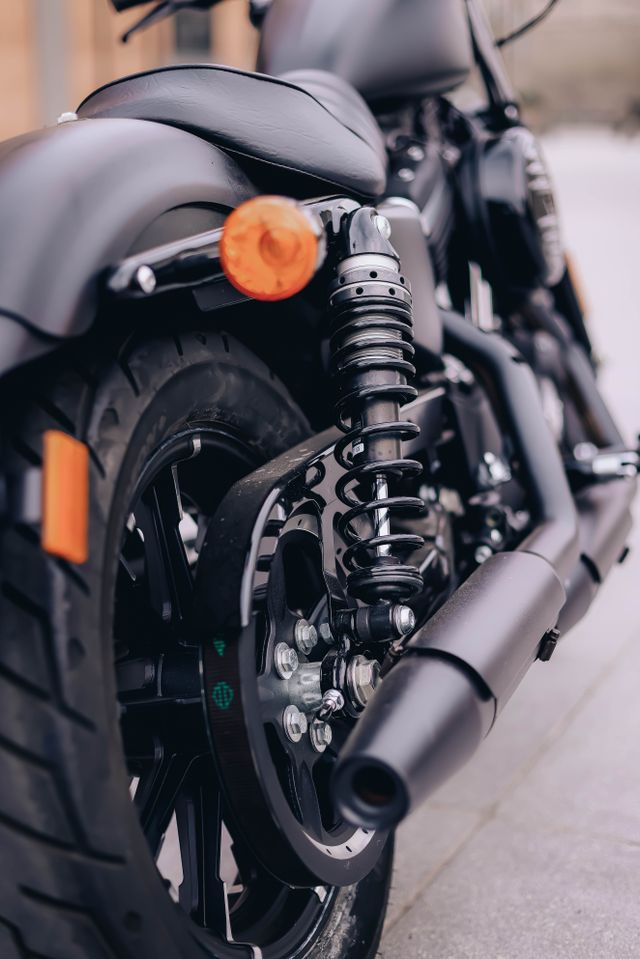
The design and fabrication of vehicular elastomeric components require meticulous attention to material science, thermal dynamics, and mechanical load limits. Under the hood, rubber parts endure sustained high temperatures generated by internal combustion engines or electric propulsion systems, combined with continuous exposure to motor oil, transmission fluid, and coolant chemicals. Chassis and suspension components face constant kinetic shock, road salt, ozone, and moisture. Engineers must specify polymer formulations that resist hardening, cracking, or swelling across extended operational lifecycles.
Advanced computer-aided engineering tools simulate material behavior under load before physical tooling is fabricated. Finite element analysis models stress distribution, compression set, and thermal expansion, allowing designers to optimize wall thicknesses and sealing lip geometries. This proactive engineering approach eliminates weak points, prevents premature failure, and ensures that every molded component maintains its sealing effectiveness and structural resilience over hundreds of thousands of miles of service.
Sourcing Precision Custom Automotive Rubber Components
Standard catalog items rarely fulfill the exact spatial, chemical, and mechanical criteria demanded by modern vehicle platforms. Developing custom automotive rubber components allows engineering teams to tailor durometer hardness, tensile strength, and chemical resistance profiles to match specific application requirements. Whether designing specialized grommets for firewall wire harnesses or complex multi-lip seals for axle assemblies, custom tooling enables exact geometric integration.
Procurement teams must evaluate supplier capabilities rigorously when establishing manufacturing contracts for tailored elastomeric parts. Accredited facilities maintain strict quality management certifications such as IATF 16949, ensuring that every production batch adheres to rigorous automotive standards. Comprehensive material traceability, raw material mill test reports, and statistical process control protocols guarantee batch-to-batch repeatability and eliminate variability across high-volume manufacturing runs.
Evaluating Elastomeric Compounds for Vehicular Environments
Different polymer families provide distinct mechanical and chemical resistance profiles suited for specific automotive subsystems. The table below outlines key characteristics of primary elastomers utilized in vehicle manufacturing.
| Material Type | Hardness Range (Shore A) | Temperature Range (°C) | Key Chemical Advantage | Primary Automotive Application |
|---|---|---|---|---|
| EPDM Elastomer | 40 to 90 | -40 to 120 | Superior weathering and ozone durability | Weatherstripping, coolant hoses, window seals |
| Fluorosilicone (FKM) | 50 to 90 | -30 to 200 | Exceptional fuel and oil resistance | Fuel injector O-rings, turbocharger gaskets |
| Nitrile Rubber (NBR) | 30 to 80 | -40 to 100 | Excellent petroleum fluid resistance | Oil pan gaskets, transmission seals |
| Neoprene (CR) | 30 to 80 | -40 to 100 | Balanced flame retardancy and toughness | CV boot covers, steering rack bellows |
Material selection directly impacts operational lifespan. For instance, exposing standard nitrile rubber to high-ozone exterior environments leads to surface cracking, whereas EPDM maintains structural flexibility and weather resistance over decades of outdoor exposure.
Optimizing Production of Automotive Molded Rubber Parts
Transforming raw polymer compounds into finished, high-tolerance hardware involves specialized manufacturing techniques tailored to specific production volumes and geometric complexities. Compression molding provides excellent economy and structural density for heavy-duty suspension bushings and large engine mounts. Transfer molding accommodates intricate metal-to-rubber bonding operations commonly required in vibration control brackets and torsion dampeners.
Liquid silicone rubber injection molding delivers micro-tolerance precision for miniaturized sensor seals, turbocharger actuators, and LED lighting enclosures. Closed-loop metering systems mix two-part compounds prior to injection into heated tool cavities, eliminating air entrapment and producing flash-free components with superior surface finishes. Post-curing thermal operations drive off residual volatile organic compounds, ensuring that automotive molded rubber parts remain dimensionally stable and free from outgassing contaminants.
Tooling Precision and Die Engineering Principles
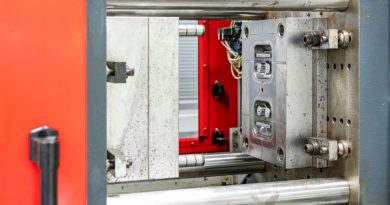
Tooling longevity and precision dictate the ultimate success of high-volume production campaigns. Mold cavities machined from high-grade stainless steel or beryllium copper ensure sharp parting lines and flawless surface finishes across millions of press cycles. Tool designers calculate volumetric shrinkage rates and thermal expansion coefficients to ensure that cooled components conform strictly to engineering blueprint tolerances.
Furthermore, minimizing flash formation reduces secondary trimming labor and material waste. Advanced cold runner block technology in injection molding systems eliminates sprues and runners entirely, streamlining manufacturing workflows and lowering per-unit production costs for high-volume automotive platforms.
Quality Assurance and Supply Chain Risk Mitigation
Maintaining uncompromising quality standards requires embedding inspection checkpoints throughout the manufacturing lifecycle rather than relying solely on final visual sorting. Leading facilities employ optical comparators, coordinate measuring machines, and automated laser scanning equipment to verify critical dimensions, wall thickness uniformity, and concentricity. Destructive burst testing and fluid immersion evaluations validate that production lots meet or exceed OEM performance criteria.
Supply chain stability also involves mitigating single-source vulnerabilities and geographic bottlenecks. Qualified suppliers maintain strategic raw material safety stocks and flexible tooling inventory to prevent production halts during demand surges. Robust packaging and preservation protocols protect elastomeric components from environmental degradation during warehouse storage or long-distance maritime transit to final assembly plants.
Securing reliable vehicle performance and passenger safety across modern transportation networks depends heavily on sourcing precision-engineered elastomeric components. Prioritizing strict material compliance, advanced manufacturing techniques, and robust supplier quality protocols ensures that automotive assemblies withstand the most hostile operating environments. Evaluate your upcoming procurement requirements today and partner with experienced manufacturing specialists to optimize your automotive supply chain.